¡Cualli tonaltin, icniuhtli! (“Buenos días, amiguitos” in Náhuatl an Aztec language of Central Mexico).
Today I would like to guide you a little bit towards an aspect of Mexican culture which is often overlooked, rarely known and sometimes even marginalized: it’s indigenous background.
Mexico definitely IS all about hispanic culture! The Catholic Church, with its values, misas, fiestas, ferias, procesiones and values, is at the center of Mexican culture. Also Mariachis play traditional European instruments such as violins, guitars and brass instruments. And, lastly, the major chunk of people HAS a direct Hispanic background; which is also clearly reflected in their given names (Maria, Juan, Fernanda, Pedro, etc.) and surnames (Torres, Perez, Ruiz, Garcia, Cortes etc.). In short: Mexico is Hispanic.
Nevertheless, I wanted to to point out that Mexico is an unsuspectingly heterogenous country – and that is shown in many smaller and some bigger aspects.
In the end, what else can you expect from a country with that huge colonial influence (Hispanic side) and still spanning a larger area than Europe with a rich and colorful prehispanic history (indigenous side)?
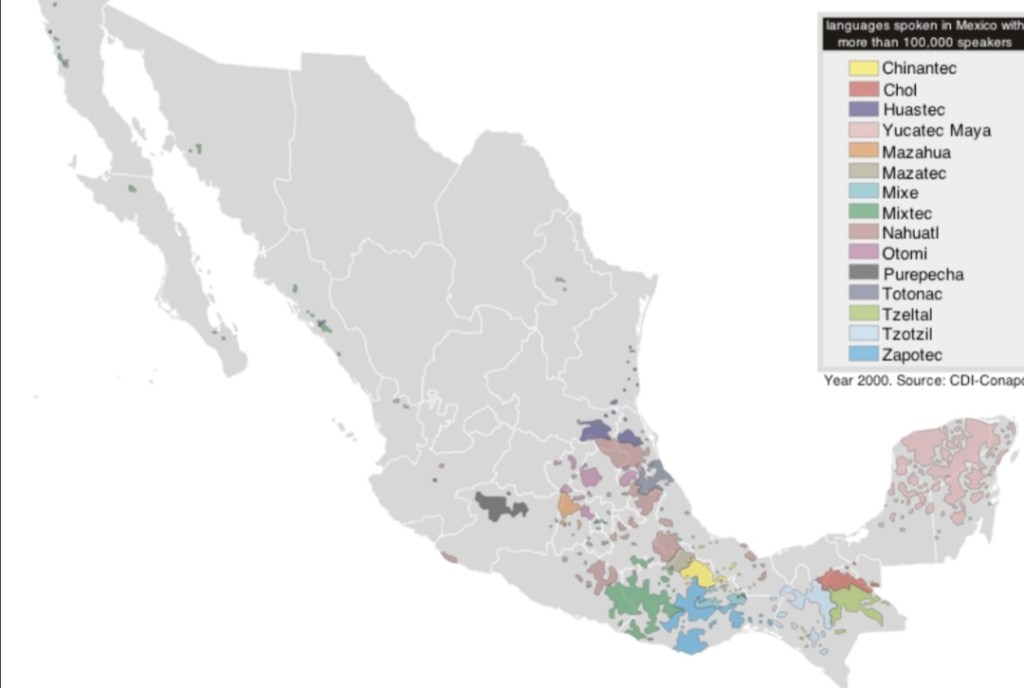
- First off (and the most obvious): tribes and indigenous minorities.
Today, Mexico officially recognizes 62 indigenous languages as “national languages” equal to Spanish. In population 25 mio people identify as indigenous and ca. 7 mio minimum speak one of those languages. Number 1 state is Oaxaca with 1.1 mio, 34% of the entire population speaking other languages than Spanish. Indios are a topic in politics, and they are an essential part of society. Some language names to have heard of: Nahuatl (Aztec), Yucatec Maya, Mixtec, Huichol, Zapoteca.
- Names: cities, pueblos, sights.
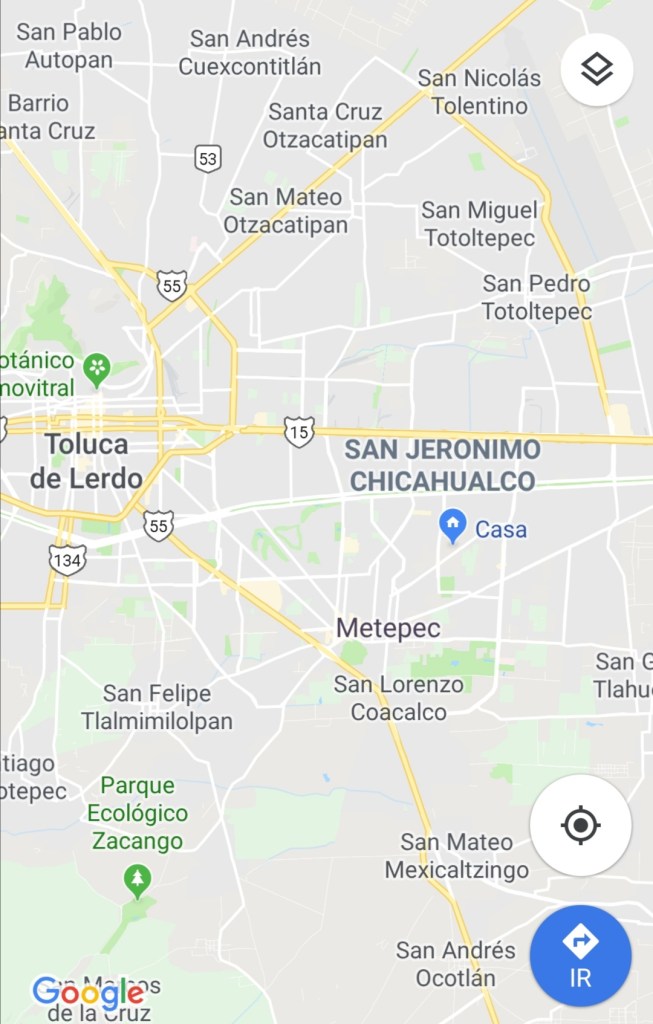
You might have seen them in our previous posts: weird sounding and hard to pronounce names. Related to the indigenous background (mentioned before), every single place here has a long history. From Xalatlaco, Alexis’ fathers home village, Xochimilco, a famous and beautiful lake area near Mexico City, Popocatépetl, the famous volcano, and many many more: Coyoacan, Ixtapan, Naucalpan, Taxco… the google maps picture below shows it all.
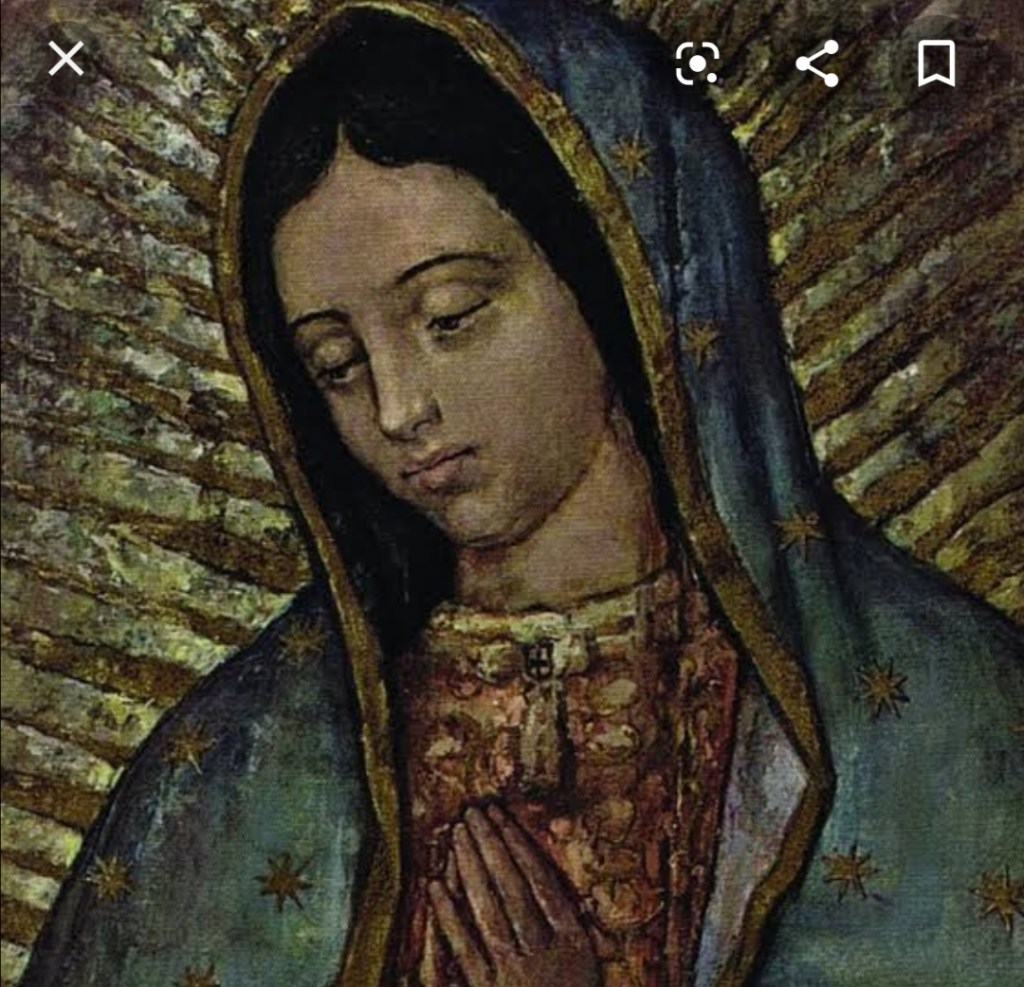
- Virgen de Guadalupe
The Virgen is one of the most praised and followed symbols in Mexico. Ok, clearly she is a Catholic figure. But contrary to Virgen Mary she is a Latin version with non-white skin. Kind of a localized reference to colored non-European people, no?
- The elefant in the room: Día de los Muertos
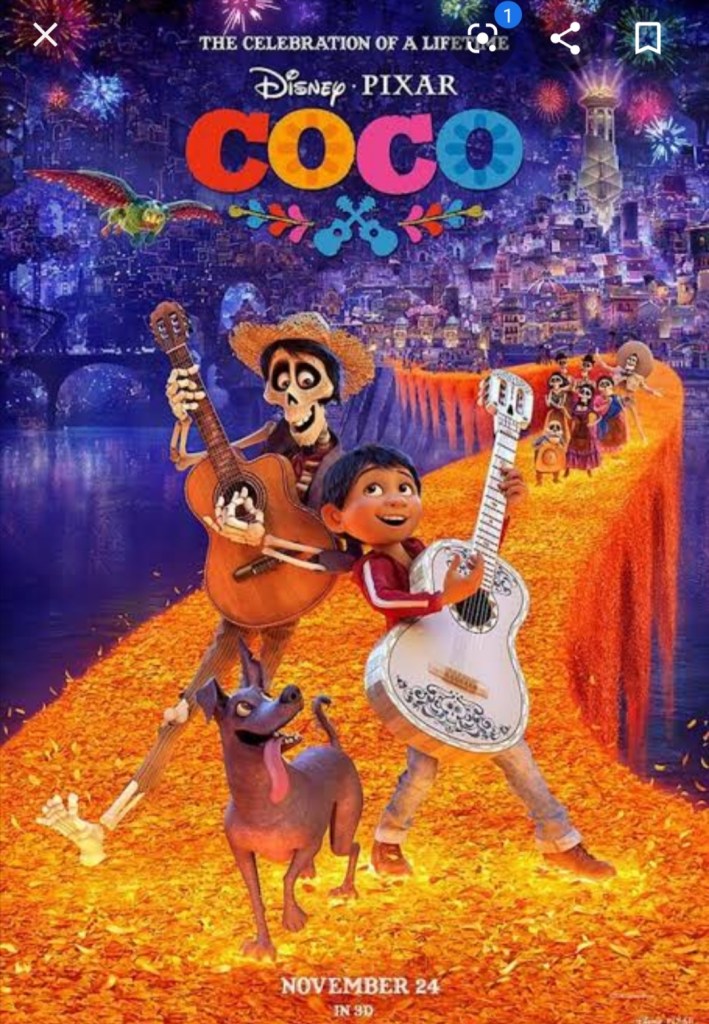
Celebrated all over Mexico, the day serves to preserve the memory of passed relatives. It is Aztec origin and it is believed that it opens a kind gateway through which the dead can return to the world to enjoy their ofrenda. For more details, go and watch that movie “Coco” 😉
- Food & Cuisine
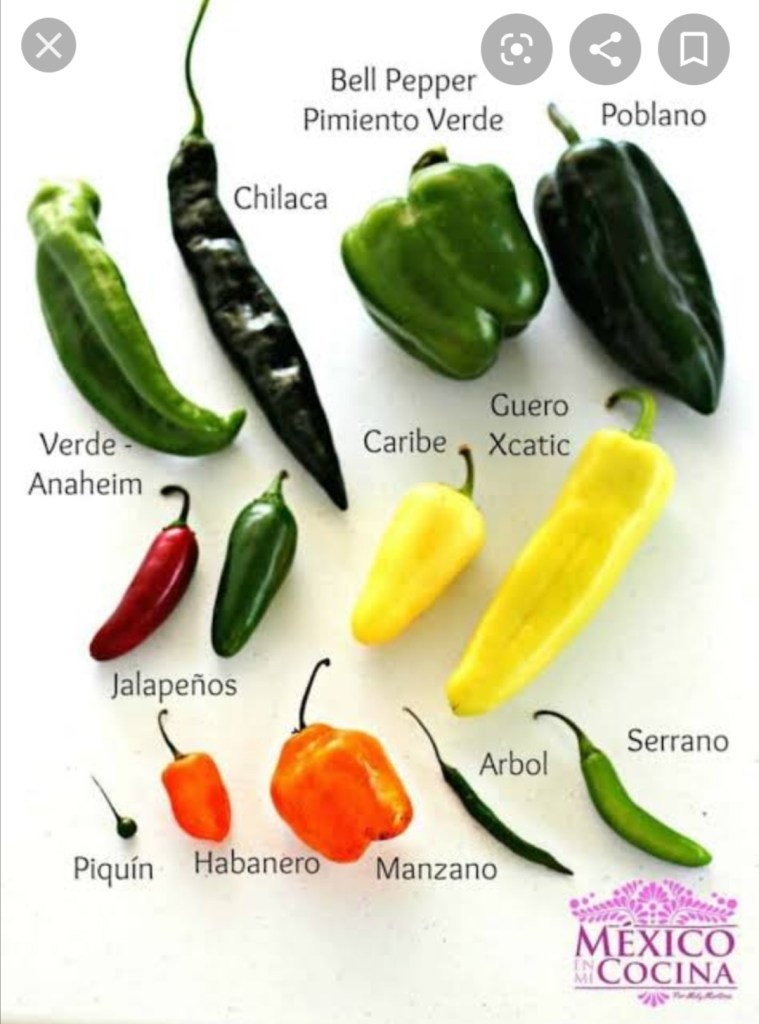
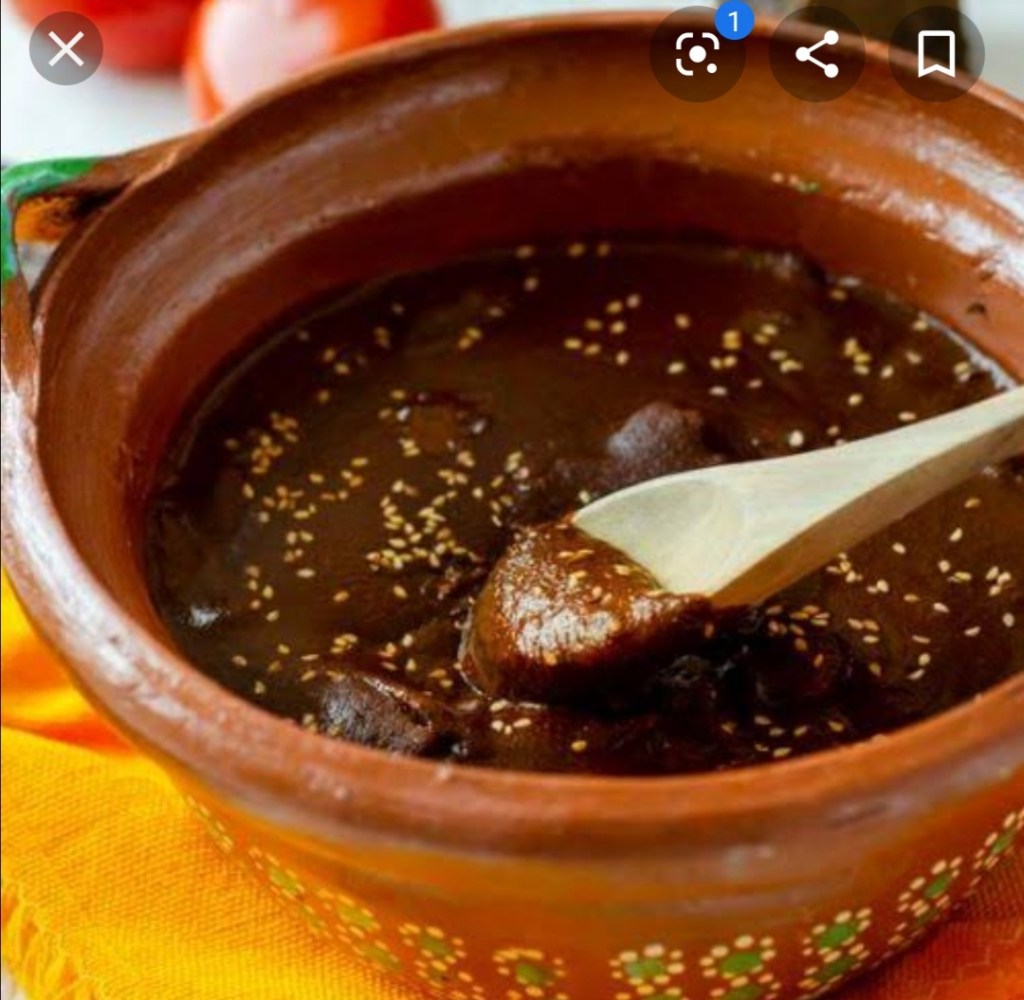
Mexico without Chile? Without maiz? Without mole? Unthinkable… Basically, these three key pillars of Mexican cuisine are 100% local and of pre-hispanic origin. Aztecs were Masters in agriculture enjoying strong and spicy food already hundreds of years before Europe obtained spices from their colonies. Finally, also cocoa was first cultivated in the Americas – and who does not love a hot chocolate at a cold winter day?
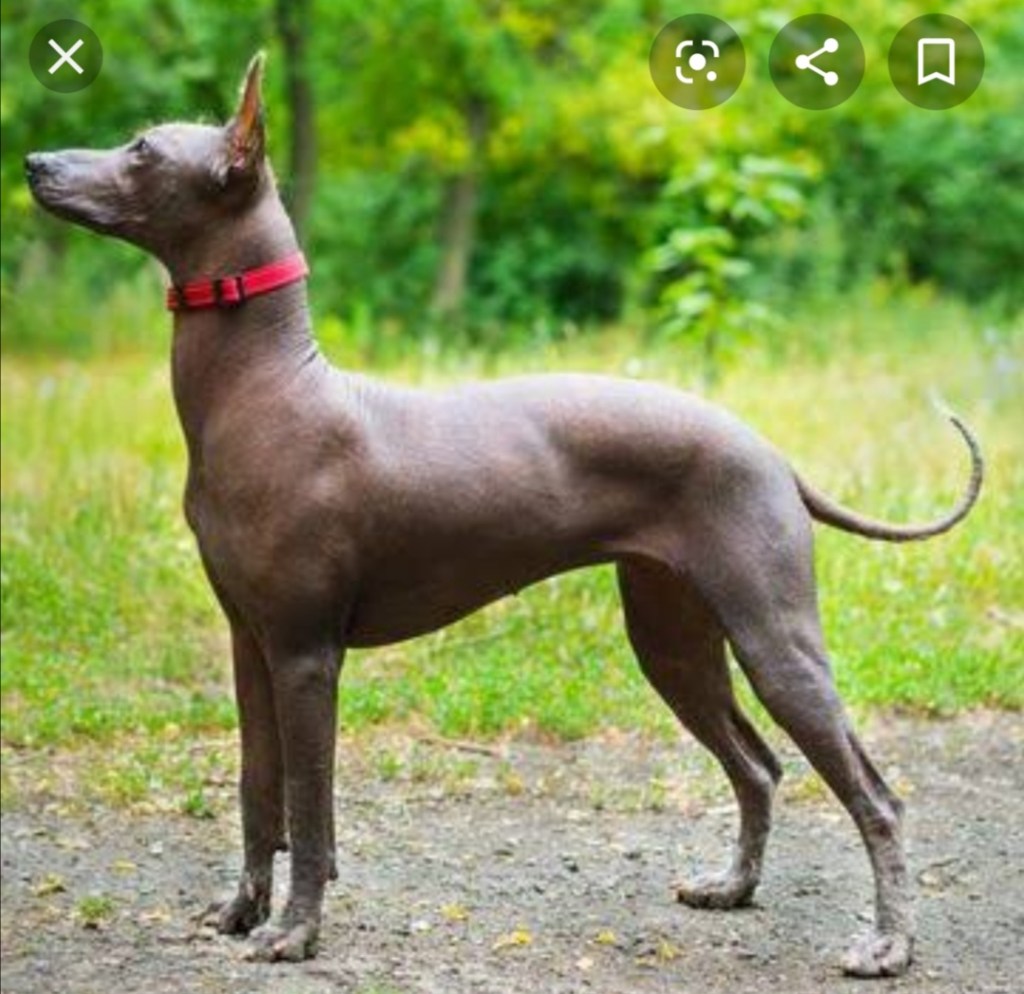
To round it up, other indigenous remains include: the Xoloitzcuintle dog and varios legends which have influenced lots of children stories about nature, myths and un-natural appearances.
I hope this (bit lengthy) post gave you some nice out-of-the-box insights to México, which you have not expected before.
A happy rest of the day, resp. good morning in Germany. 🙂
Adrián & Alexis
 Adrian's blog